
Understanding Training Shoes and Running Shoes
Choosing the right footwear for your workouts can feel overwhelming, but did you know that wearing the wrong shoes can lead to serious injuries? Whether you’re hitting the gym or pounding the pavement, the difference between training shoes and running shoes is crucial for your performance and comfort.
In this article, you’ll discover the ins and outs of each type of shoe. We’ll break down the unique features of training shoes and running shoes, analyze a popular model — the Nike Lunar Kayoss — and tackle common questions like whether women can wear men’s running shoes. Plus, we’ll explore the possibility of using training shoes for running and clarify the distinction between training and sports shoes. Let’s dive in and find the perfect fit for your feet!


When it comes to your workout regimen, having the right footwear can make all the difference. Training shoes are specially designed for versatility, making them a go-to choice for various activities, including gym workouts, weightlifting, and circuit training.
What Makes Training Shoes Unique?
Training shoes typically feature a flatter sole for better stability, especially during lateral movements. This design allows you to pivot and change directions quickly, perfect for activities like aerobics or high-intensity interval training (HIIT). Additionally, the materials used in training shoes are often more durable and supportive, catering to the demands of different workouts.
Some key elements of training shoes include:
For example, the New Balance Men's 608 V5 Cross Trainer is a fantastic choice that embodies the characteristics of a reliable training shoe. Designed for multi-directional movements, it seamlessly supports weight training and cardio workouts alike.
As you explore the different footwear options, understanding running shoes can provide valuable insights into why one might be more suitable for specific activities than the other. Let’s uncover what sets running shoes apart!
Understanding Running Shoes: What Sets Them Apart
Running shoes are engineered to cater specifically to the demands of your feet while you run. Whether you’re clocking in miles on a smooth pavement or conquering rugged trails, these shoes prioritize your comfort, performance, and safety.
Key Features of Running Shoes
When you put on a good pair of running shoes, you’re not just stepping into any footwear; you’re wearing a blend of technology and design aimed at enhancing your running experience. Here are some features that set running shoes apart:
For instance, consider the NORTIV 8 Men's Cushioning Sneakers, favored by runners for its exceptional cushioning and stability, making those lengthy runs feel much less strenuous.
Choosing the right pair can elevate not just your performance but also your overall running experience. As you learn about the nuances of running shoes, the upcoming section will address a common question: can women wear men’s running shoes? Stay tuned!
Spotlight on Nike Lunar Kayoss: A Running Shoe Analysis
The Nike Lunar Kayoss stands out in the crowded field of running shoes by marrying stylish design with performance-enhancing features. When considering this shoe for your running needs, it’s essential to analyze its key attributes and how they stack up against the competition.
Comfort and Cushioning
One of the standout features of the Nike Lunar Kayoss is its exceptional cushioning. Equipped with a Lunarlon foam midsole, it delivers a plush feel underfoot while remaining lightweight. This combination helps absorb impact, making those long runs less taxing on your joints. Many runners appreciate how this responsive cushioning allows for a smooth transition from heel strike to toe-off.
Breathability and Fit
The shoe’s upper is crafted from a breathable mesh material, providing optimal ventilation during your runs. This feature not only enhances comfort but also minimizes the risk of overheating—an essential factor during hot runs. The fitted design hugs your foot securely, giving you confidence in each stride.
Versatility and Style
In addition to its functional prowess, the Nike Lunar Kayoss doesn’t skimp on aesthetics. Available in various colorways, it transitions effortlessly from the track to casual outings. Whether you’re training for a marathon or simply enjoying a jog around the neighborhood, this shoe can complement your lifestyle.
If you’re curious about how the Nike Lunar Kayoss compares to other models, this exploration of its unique features sets the stage for our next discussion: can women wear men’s running shoes?
Can Women Wear Men's Running Shoes?
It’s a question many women ponder: can you wear men’s running shoes? The answer is nuanced and depends on factors like foot shape, personal comfort, and intended use. While men’s shoes are typically designed wider and with different support structures than women’s models, many women successfully wear them.
Size and Fit Considerations
Here are a few tips to ensure a comfortable fit if you’re considering men’s running shoes:
Real-World Examples
Many female runners, including professional athletes, have shared their experiences of finding comfort and performance benefits in men’s shoes. Models like the New Balance Women's Fresh Foam 680 V8 are praised for their versatility, and many women enjoy them for stable, cushioned runs.
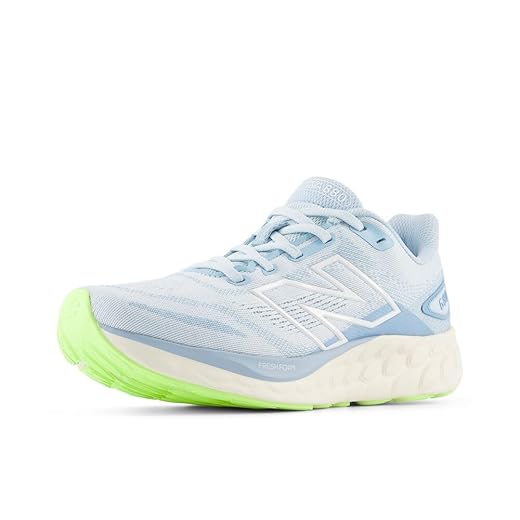
As you think about your footwear options, keep in mind that comfort is key. The fit and feel should guide your choice, whether you’re checking out men’s or women’s models. Up next, let’s explore whether it’s advisable to use training shoes for running.
Using Training Shoes for Running: Is It Possible?
While training shoes are designed with versatility in mind, you might be tempted to use them for running. Understanding the pros and cons can help you make an informed choice that aligns with your fitness goals.
Advantages of Training Shoes for Running
Drawbacks to Consider
However, it’s crucial to also consider potential limitations:
If you’re running just for fun or occasionally, training shoes can suffice, but for serious running or long distances, you might want to invest in a proper pair. As you contemplate your footwear options, the next section will clarify the distinction between training shoes and sports shoes, ensuring you find the ideal fit for all your activities.

Training Shoes vs. Sports Shoes: Clearing the Confusion
Often used interchangeably, training shoes and sports shoes cater to different activities, and understanding their distinctions can enhance your performance and comfort during workouts.
Defining the Types
When to Choose Each
By knowing when to wear which type, you can maximize your workouts and reduce the risk of injury.
As you determine the perfect footwear for your activities, consider how each type can support your fitness journey. In the next section, we will delve into how to select the right footwear based on your specific activities and needs.

Selecting the Right Footwear for Your Activities
Choosing between training shoes and running shoes ultimately comes down to your specific activity and personal preferences. While training shoes offer versatility for various workouts, running shoes provide targeted support for long-distance runs.
Understanding your needs is crucial for enhancing both your workouts and running experience. Take the time to assess what feels best for you, and don’t hesitate to try different options. Your feet deserve the best—invest in the right footwear to keep you moving comfortably and confidently!